
If you manage a clinic, school, office, or community group, getting everyone certified usually comes down to one question: can the instructor come to you? The providers below were chosen for recognized certification cards, on-site or instructor-led delivery, course range across CPR, BLS, first aid, and AED, and how easy they are to book for a group. Mobile CPR training here means an instructor travels to your location. Blended learning means an online portion followed by an in-person skills check.
Quick Comparison of Mobile CPR Training Providers
- American Red Cross: general workplaces and community groups wanting a familiar card; pricing on the website; the most recognizable consumer brand with a large instructor network.
- American Heart Association Training Network: healthcare teams needing BLS, ACLS, or PALS; pricing set by each Training Center; the card healthcare employers most often require.
- Health & Safety Institute (HSI): businesses, schools, and childcare settings; pricing on the website; compliance-focused programs under several brands.
- ProTrainings: groups wanting less classroom time; pricing on the website; video-based online learning paired with instructor skills verification.
- National Safety Council (NSC): safety managers wanting several topics from one source; quote-based; CPR bundled with broader workplace safety programs.
- Emergency Care & Safety Institute (ECSI): organizations seeking an alternative to the largest brands; pricing on the website; flexible delivery through authorized instructors.
- St John Ambulance (Canada): Canadian employers needing locally compliant training; pricing on the website; provincial workplace alignment.
1. American Red Cross
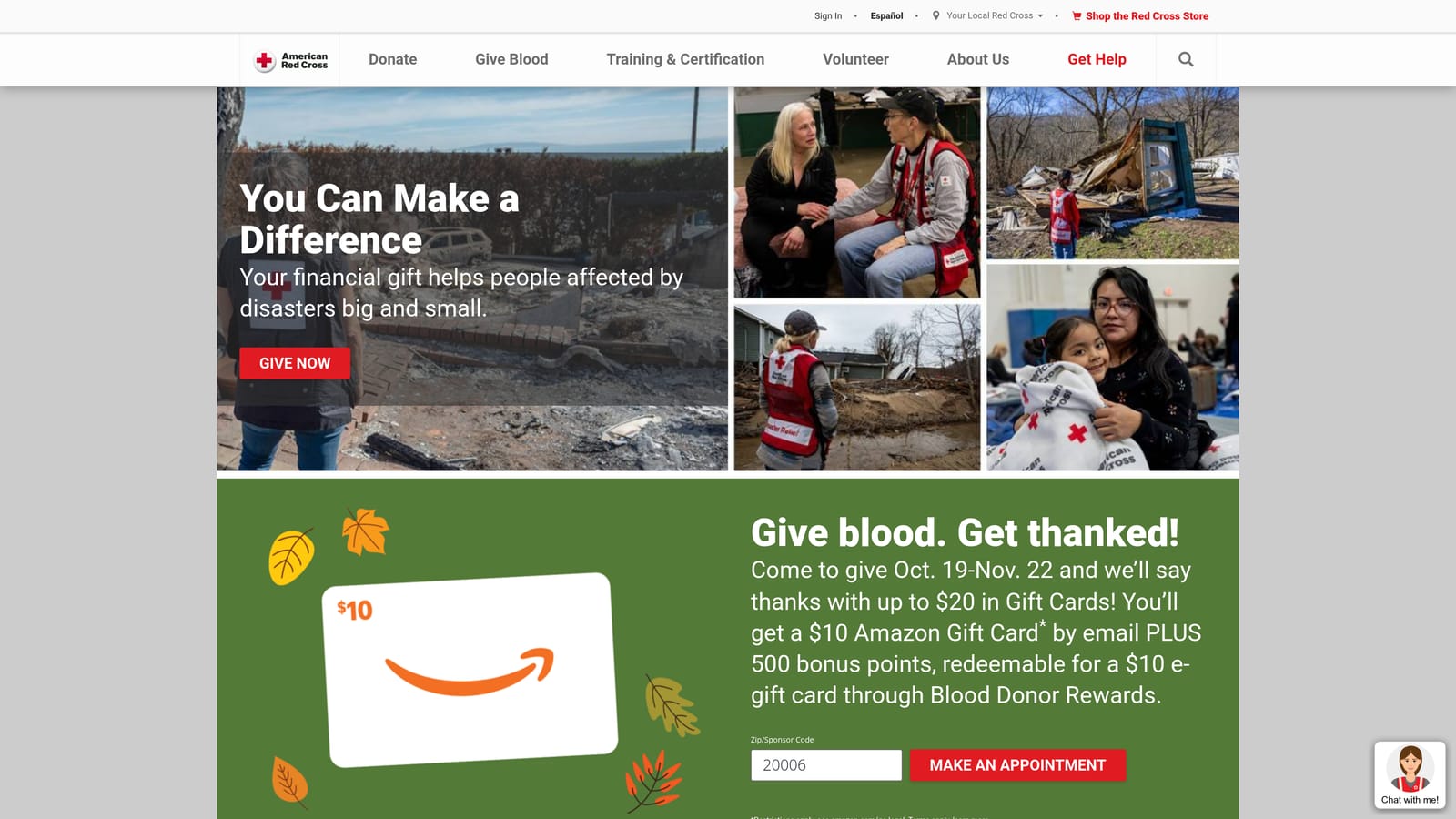
American Red Cross offers CPR, AED, and first aid training with group and workplace options, aimed at employers and community organizations that want a card people already recognize. Its biggest advantage over the rest of this list is brand familiarity paired with a large instructor network, which tends to make it easy to explain to staff and to have accepted by non-healthcare employers.
Main features:
- CPR, AED, and first aid courses cover the core skills most workplaces need in one provider.
- Blended and instructor-led formats let you choose between less seat time and a fully in-person session.
- Workplace and group training options are built for teams certifying together.
- Digital certificates reach participants quickly, with no paper cards to track down.
- Digital certificate lookup lets an administrator verify a card when auditing records.
Setup is usually handled by contacting the Red Cross about group training or an authorized instructor in your area, and an office manager or HR lead typically runs it. The real limitation is regional variation: on-site availability and group pricing differ by location, so you may find strong coverage in one city and thin options in another. Healthcare roles that require AHA BLS will need a different provider.
Pricing: see the website. As of 2026, group rates depend on region, course type, and group size, so request a quote for your location.
Best for: General workplaces and community groups wanting a familiar card.
2. American Heart Association Training Network
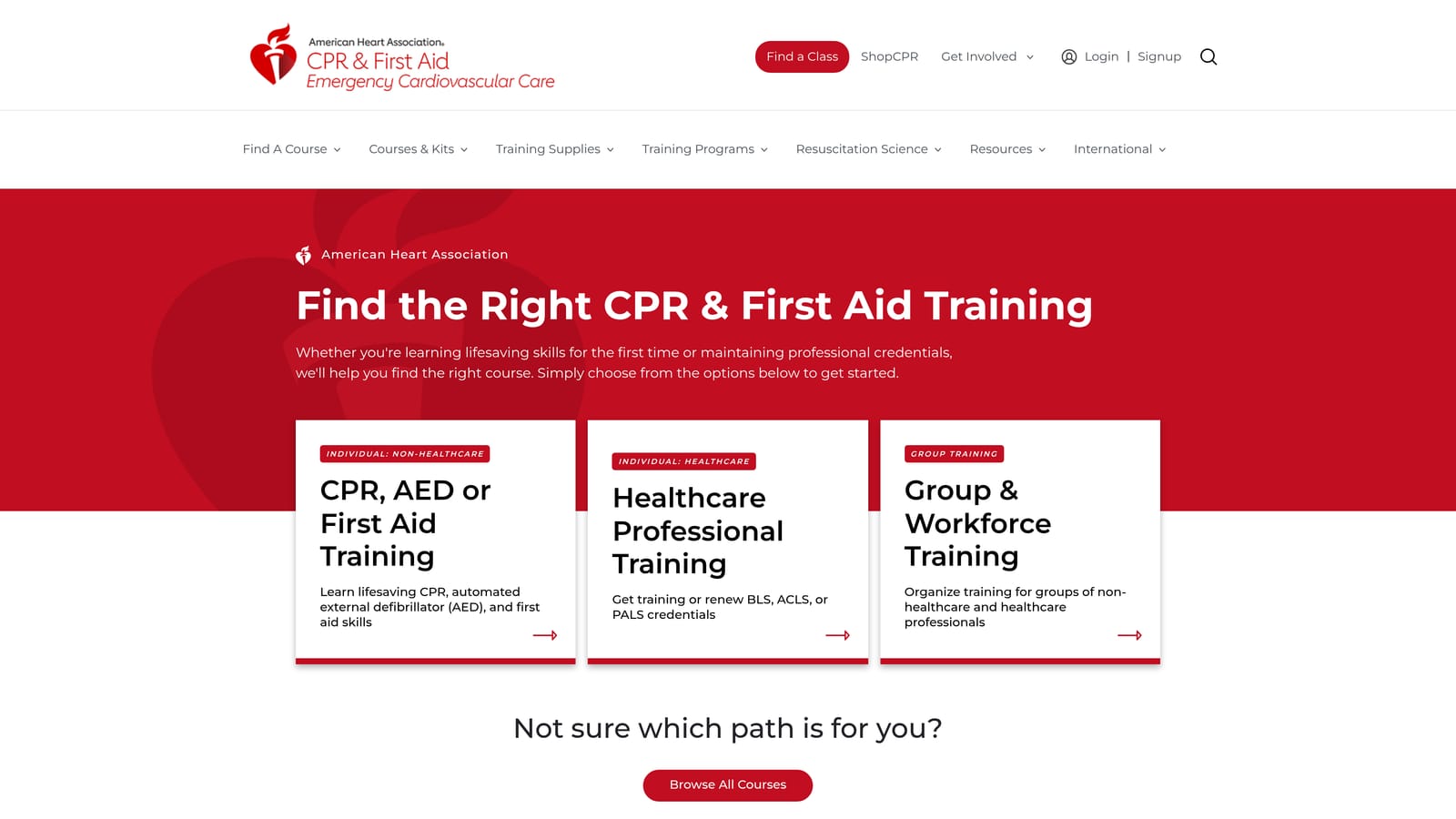
The limitation comes first here: the AHA does not itself send instructors to your site. American Heart Association Training Network courses are delivered by authorized Training Centers and instructors, so whether you get mobile delivery depends on the individual Training Center you choose. The upside is that this is the card most often required by healthcare employers.
Main features:
- Heartsaver courses cover lay responders such as teachers, coaches, and office staff.
- BLS, ACLS, and PALS serve clinical staff who need advanced credentials, all under one card family.
- Blended learning options move the cognitive portion online, leaving a shorter hands-on session.
- A class finder helps you locate local Training Centers and ask which ones travel.
- eCards give participants and administrators a digital record of completion.
Expect to contact Training Centers directly, ask about on-site sessions, and confirm travel fees and group minimums. A clinic manager or training coordinator usually handles this. It is less convenient than a single national booking system, and quality of scheduling varies by center.
Pricing: see the website. Fees are set by individual Training Centers and vary with course type, group size, and travel.
Best for: Healthcare teams needing BLS, ACLS, or PALS.
3. Health & Safety Institute (HSI)
Health & Safety Institute (HSI) is the parent organization of Medic First Aid and ASHI, and it sells CPR, AED, and first aid programs aimed squarely at workplaces. What sets it apart is compliance-focused training offered under several brands, which gives you more than one program family to match to an employer or regulator.
What you get
- CPR, AED, and first aid courses for adults, children, and infants.
- BLS programs for staff who need a healthcare-level provider course.
- Blended learning so employees can finish theory on their own schedule.
- Workplace-oriented courses designed around the needs of employers, schools, and childcare settings.
Setup and fit
Delivery runs through an instructor network and training centers, so booking means finding a local provider that teaches HSI programs and asking whether they come to your site. The limitation is acceptance: some hospitals prefer AHA cards, so clinical teams should confirm before booking. For offices, schools, and childcare operators, that concern is usually smaller, though you should still check licensing rules.
Pricing: see the website. Cost depends on the local provider, course, and group size.
Best for: Businesses, schools, and childcare settings.
4. ProTrainings
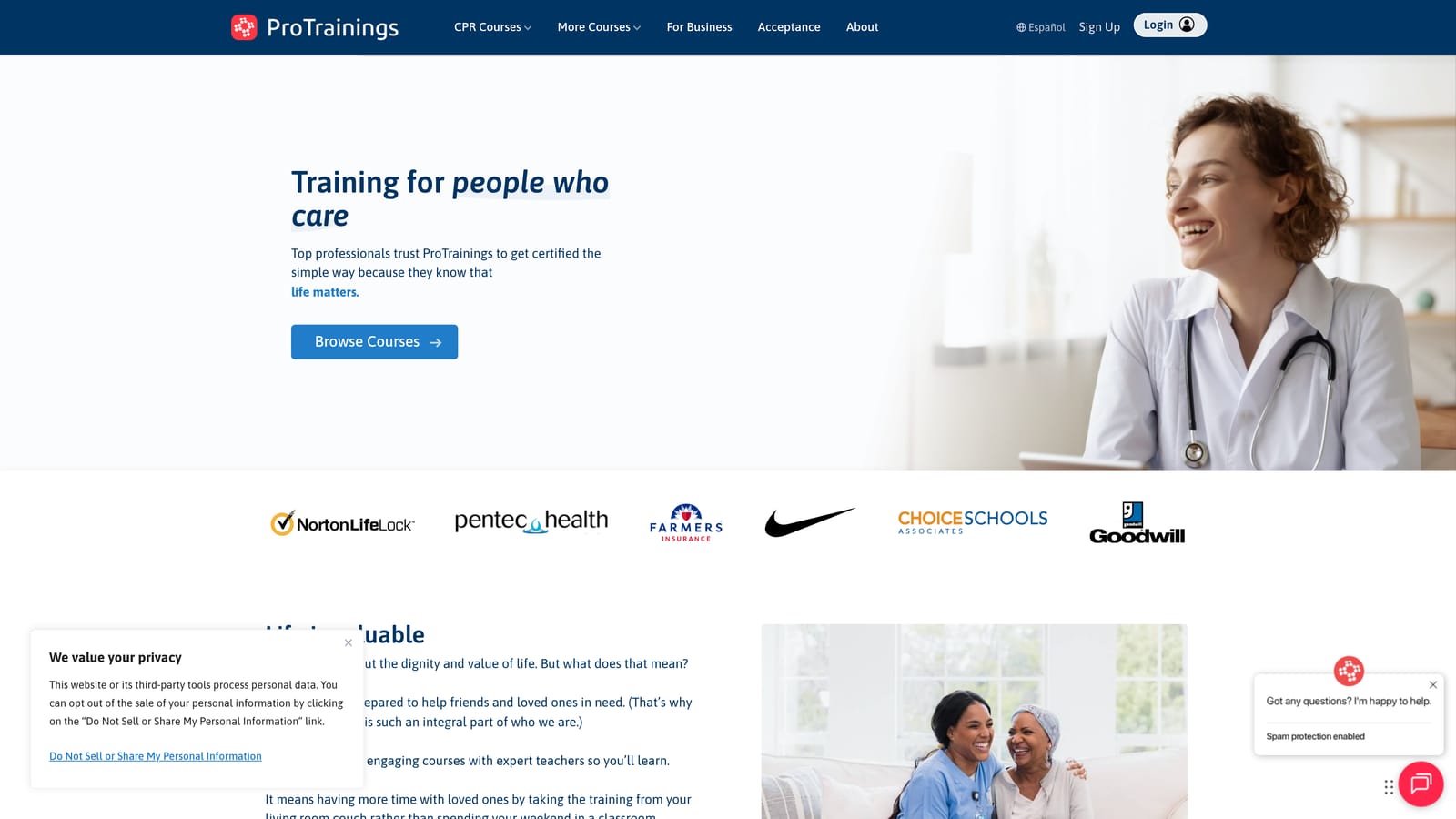
ProTrainings combines online video learning with an in-person skills check, which makes it the strongest option here for groups that want to cut classroom hours. The video-based coursework is its signature, and the instructor verifies hands-on competence afterward.
Main features:
- Online video coursework lets staff learn at their own pace before the session.
- In-person skills sessions confirm compression and AED technique with an instructor.
- CPR, first aid, and BLS options cover most workplace and some clinical needs.
- Group training support helps an administrator enroll and track a whole team.
The learning runs on ProTrainings' online platform, and a safety lead or HR coordinator typically assigns courses and arranges the skills session. The main caution: the blended format must be accepted by your employer, licensing body, or board. Some require a fully in-person class, and an online-only card is a common source of rejected certifications. Confirm the skills check is included in what you buy.
Pricing: see the website. Cost moves with course type, number of participants, and how the skills session is arranged.
Best for: Groups wanting to reduce time spent in a classroom.
5. National Safety Council (NSC)
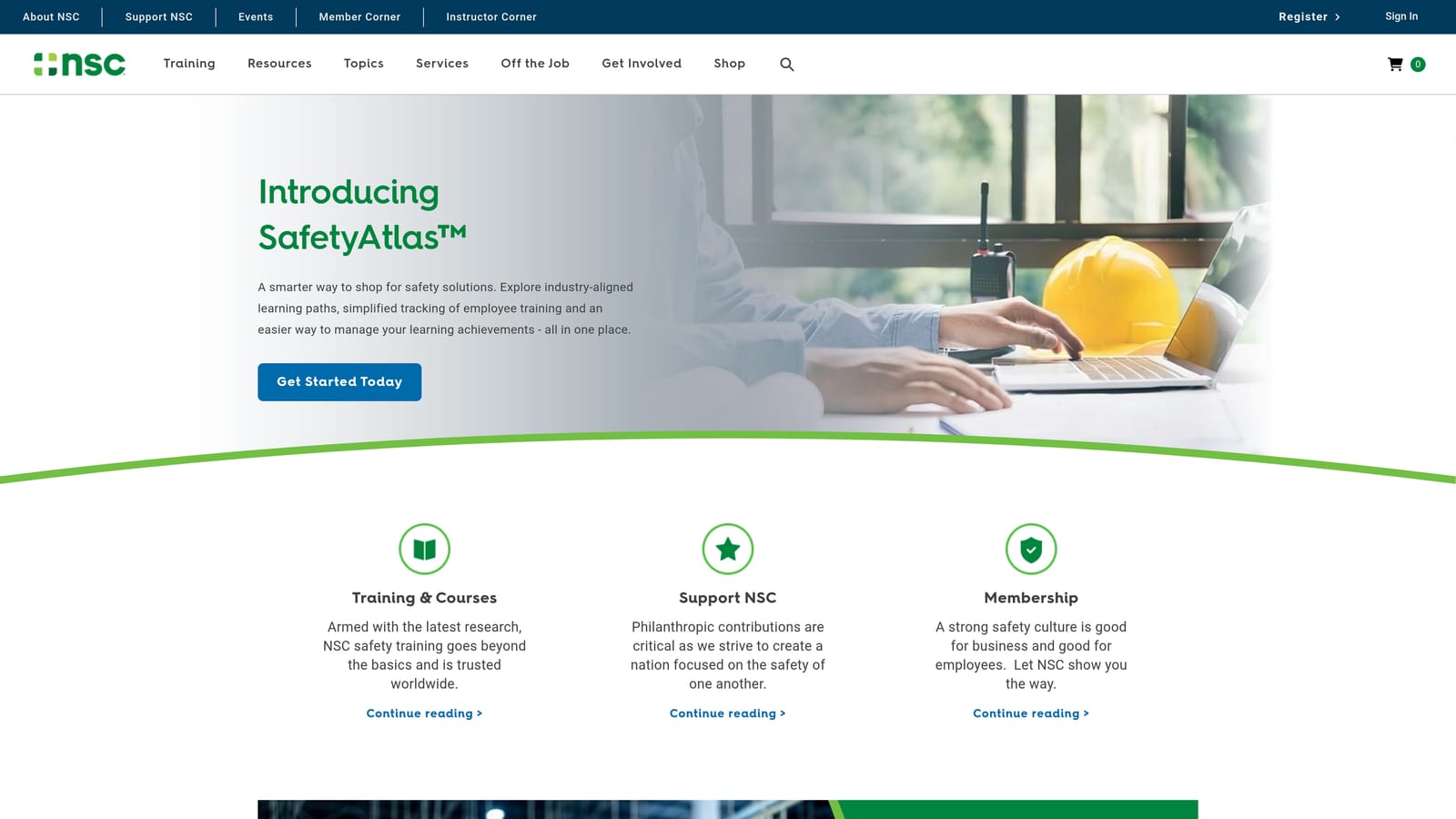
National Safety Council (NSC) is a workplace safety nonprofit, and its CPR training sits inside a wider safety catalog. That is its distinguishing trait: a safety manager can source first aid, CPR, and AED alongside other workplace safety topics from one organization.
Main features:
- First aid, CPR, and AED courses cover standard workplace response needs.
- A workplace safety focus ties emergency training to broader employer programs.
- Employer resources support program planning and recordkeeping.
Courses are delivered through training network partners, so scheduling an on-site session generally means working with the NSC or a partner to arrange it. Typically a safety manager or EHS lead owns this. It is built around employers rather than individuals, so it is a poor fit for a single person seeking a card, and healthcare staff needing BLS, ACLS, or PALS should look at AHA options.
Pricing: quote-based. Expect cost to depend on headcount, course mix, and location; see the website for current details.
Best for: Safety managers wanting multiple safety topics from one source.
6. Emergency Care & Safety Institute (ECSI)
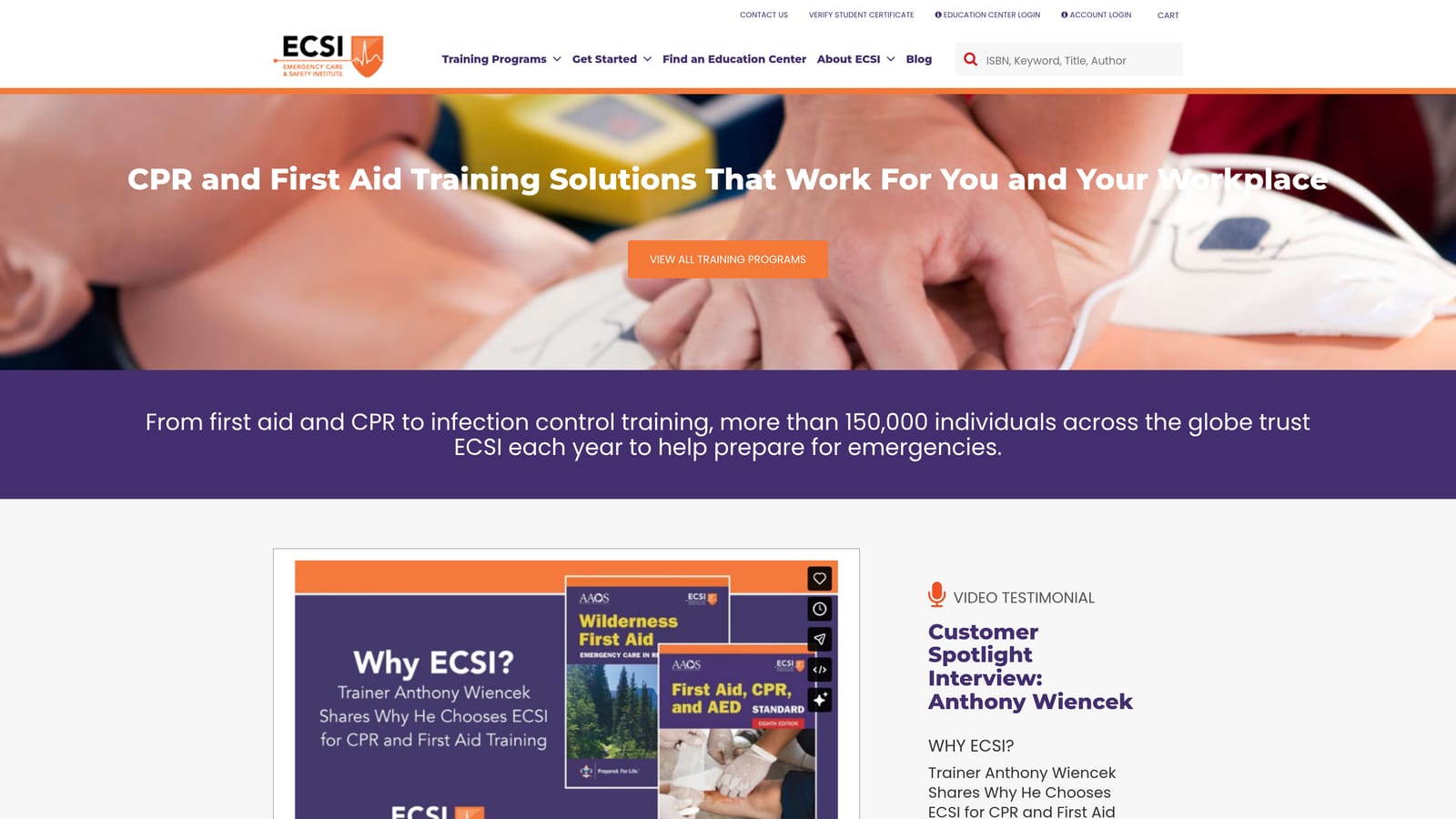
Emergency Care & Safety Institute (ECSI) provides CPR, AED, and first aid programs through authorized training sites and instructors. Its role on this list is as an alternative card with flexible instructor delivery, useful when you want options beyond the largest brands.
Main features:
- CPR and AED courses teach the core response skills to lay rescuers.
- First aid training broadens coverage for workplaces and groups.
- Blended options reduce in-class time where your employer allows it.
- An authorized instructor network gives you local providers who may travel to your site.
Booking runs through authorized training sites and instructors, so you will contact a local provider and ask about on-site sessions. Whoever coordinates training for your organization handles it. The limitation is name recognition: ECSI has a smaller brand profile, so confirm with your employer, licensing body, or insurer that its cards are accepted before you book a whole group.
Pricing: see the website. Rates are set by the instructor or training site and vary with course and group size.
Best for: Organizations seeking an alternative to the largest brands.
7. St John Ambulance (Canada)
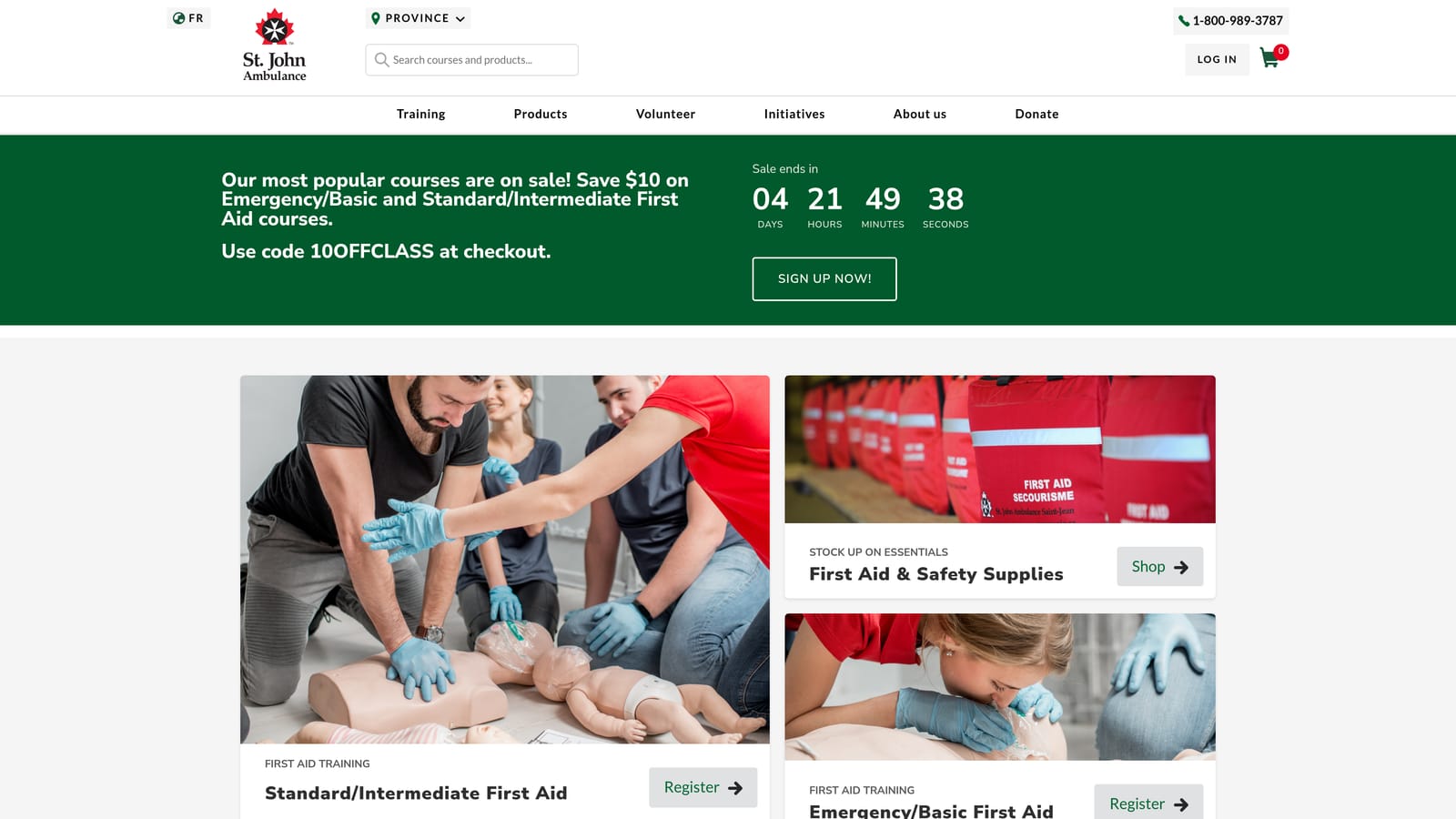
St John Ambulance is a Canadian first aid and CPR provider with on-site group courses. Its edge is strong national recognition combined with workplace first aid training aligned to provincial rules, which matters because requirements differ across provinces.
Main features:
- First aid and CPR courses suit both workplace and general audiences.
- On-site group training brings the instructor to your location.
- Workplace first aid aligned to provincial rules helps employers meet local requirements.
Scheduling is handled at the branch level, so you book through your local branch and confirm what it offers. An HR or health and safety lead usually manages this. The limitations are plain: it serves Canada only, and offerings vary by branch, so course availability and formats in one region may not match another. Confirm which course satisfies your province's workplace requirements before booking.
Pricing: see the website. Cost varies by branch, course, and group size.
Best for: Canadian employers needing locally compliant training.
Matching a Provider to Your Group Before You Book
For healthcare staff, start with the AHA Training Network, since BLS, ACLS, and PALS from an AHA card are what clinical employers most often require. For general workplaces, the American Red Cross is the safest familiar choice, with HSI a strong alternative when compliance programming matters. Schools and childcare settings fit well with HSI, and Canadian employers should go to St John Ambulance first.
Before you commit, run through this checklist:
- Confirm your employer, licensing body, or insurer accepts the specific card, and that blended formats count.
- Ask how long the card is valid; two years is common, but confirm per provider.
- Ask whether the instructor charges travel fees and how they are calculated.
- Check minimum and maximum group sizes for an on-site session.
- Verify the exact course name matches what your role requires, such as BLS rather than a standard CPR/AED class.
- Ask how and when participants receive their cards or digital certificates.
If you would rather talk through your group's needs with a team that handles training for organizations, Learn more about our services.